
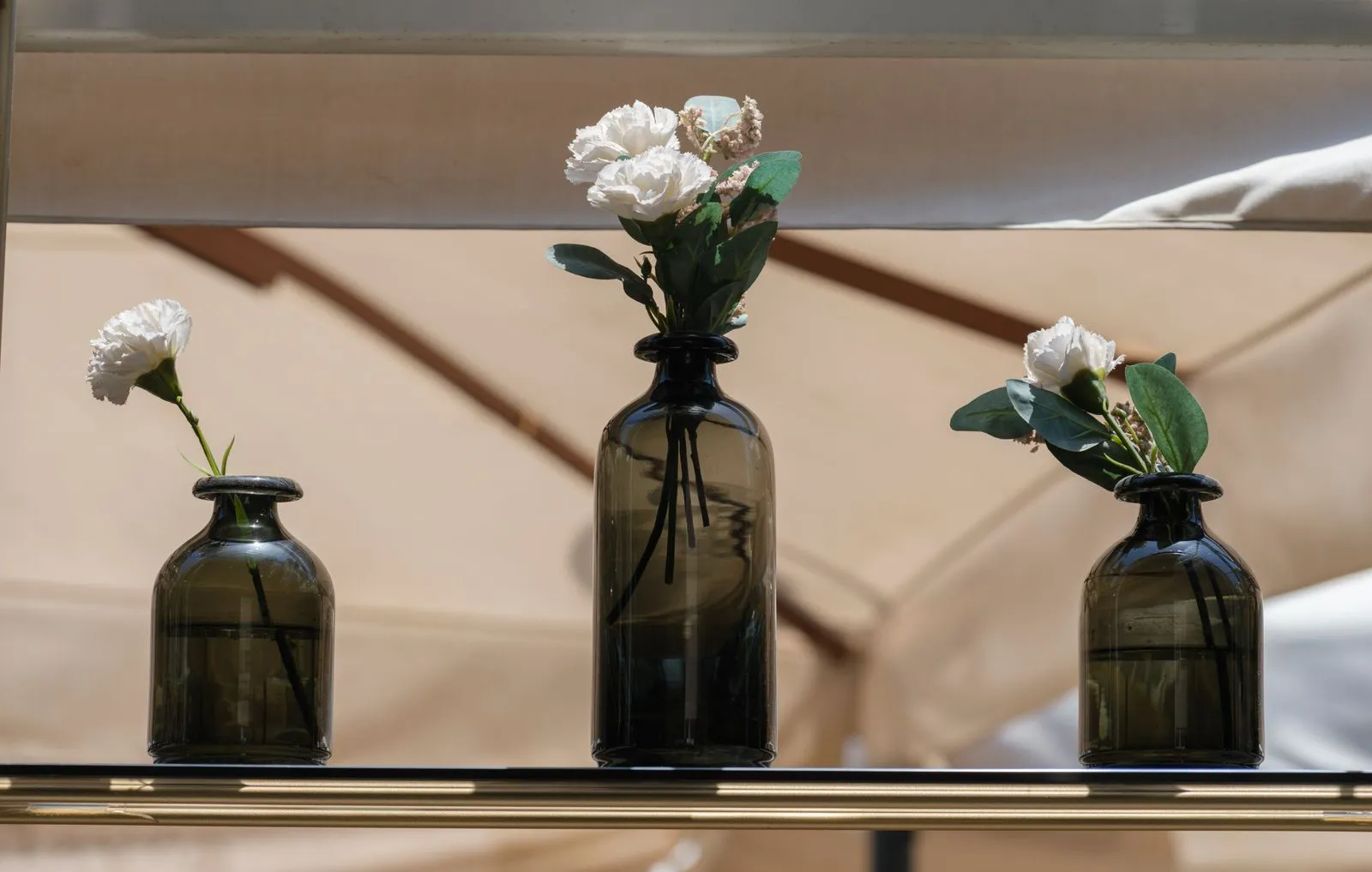
Some cut flowers naturally hold up longer than others, but variety is only part of the picture. Clean water, freshly trimmed stems, and a suitable place in your home can make a noticeable difference to how long an arrangement stays appealing. Whether you are choosing blooms for yourself or a gift, knowing what to look for helps you enjoy them longer. Here are practical ways to select and care for flowers in a vase.
Choose Flowers That Hold Up
Chrysanthemums, carnations, alstroemeria, and some varieties of lilies are often valued for their staying power when cut. Their sturdy blooms and stems can remain attractive beyond more delicate flowers. Roses can also last well with attentive care, though their longevity depends on freshness and variety. When shopping, ask which flowers are freshest and which are likely to suit the time you want to enjoy the arrangement.
Look for firm stems, healthy leaves, and blooms that are not fully open. For flowers with many buds, choose stems with some blooms open and others still showing color. Avoid flowers with limp foliage, bruised petals, or slimy stem ends. A mix of long-lasting varieties can help an arrangement age more evenly, while a few delicate blooms add texture and variety.
Start With Clean Water
Use a clean vase to reduce the buildup of bacteria, which can block stems from taking up water. Fill it with fresh, room-temperature water and add flower food if it came with the bouquet, following the packet directions. Remove any leaves that would sit below the waterline. Submerged leaves break down quickly and can make the water cloudy.
Check the water every day and top it up as needed. Replace it when it looks cloudy, and rinse the vase before refilling. If you do not have flower food, clean water and regular vase cleaning are more useful than improvised mixtures. Avoid adding household products, which may damage flowers or make care less predictable.
Trim Stems and Refresh Them
Before arranging flowers, trim about half an inch from each stem with clean, sharp scissors or pruners. Cut at an angle to expose a fresh surface and help keep stems from resting flat against the vase bottom. If the flowers have been out of water for a while, trimming the ends again can help them take up water more readily.
Refresh the stem ends when you change the water, especially if they look softened or discolored. Work with one stem at a time and return it to the vase promptly. Keep the arrangement away from ripening fruit, which releases a gas that can speed up aging in some flowers. Remove fading blooms and leaves so they do not affect the rest of the bouquet.
Find a Cooler, Steady Spot
Place the vase in a cool area with indirect light. Direct sun, warm appliances, heating vents, and drafts can stress flowers and cause them to wilt sooner. A bright room is fine if the arrangement sits out of harsh sunlight. At night, moving it to a cooler part of the home can help, as long as the spot is not exposed to cold air or sudden temperature changes.
Choose a stable surface where the vase will not be bumped, and keep it away from fruit bowls. Check the arrangement daily for drooping stems or petals and remove any blooms that are past their best. These small adjustments help the flowers look tidy while giving the remaining stems clean water and room to stay fresh.
Long-lasting flowers begin with fresh, sturdy stems, but daily care matters just as much. Use a clean vase, change cloudy water, trim stems, and keep the arrangement cool and out of direct sun. With these simple habits, you can enjoy your bouquet for longer. For help choosing flowers suited to your home or occasion, ask Stillwater Florals for guidance.